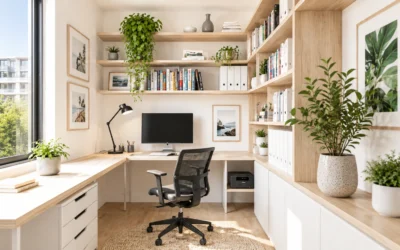
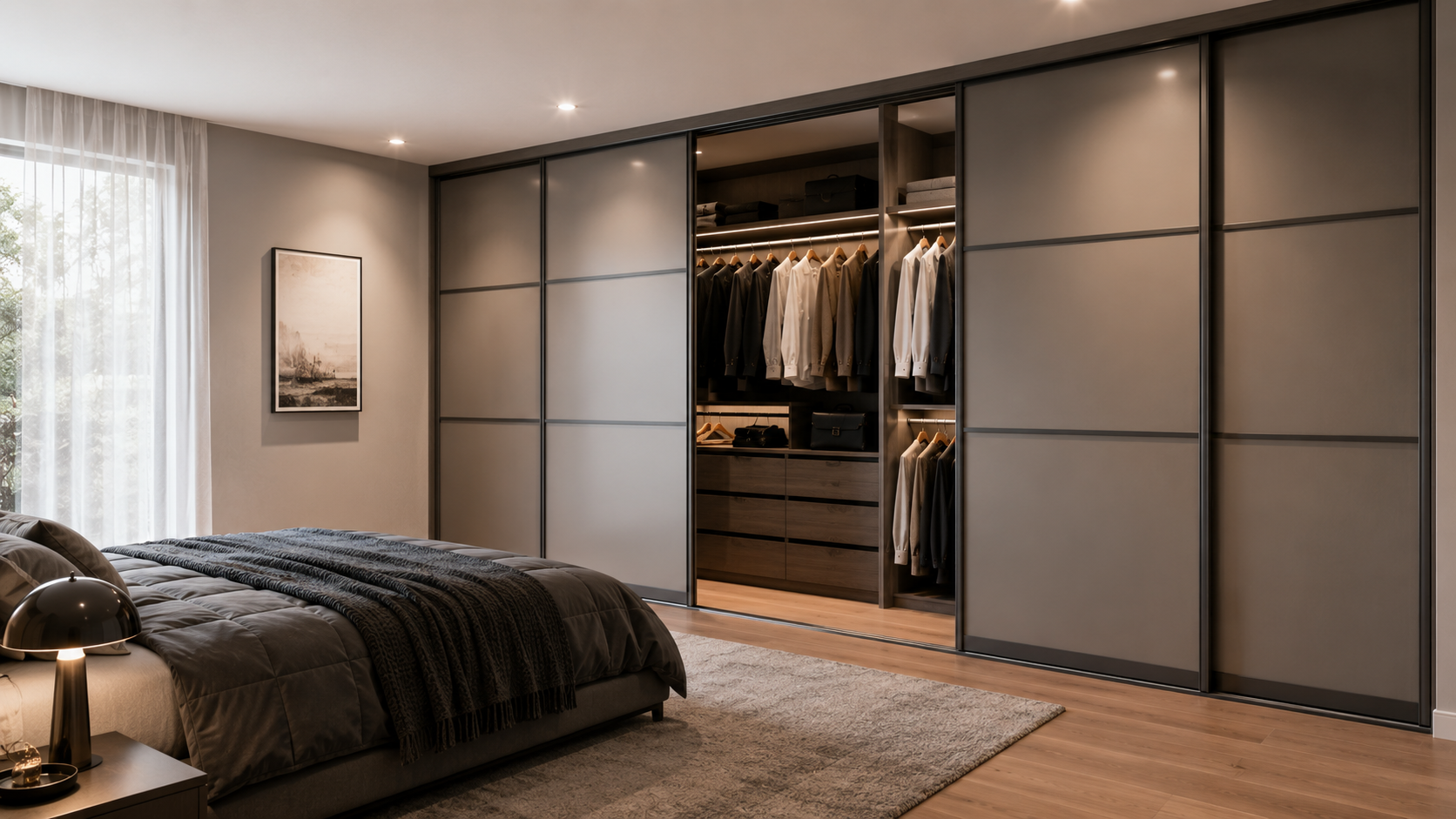
A sliding door wardrobe is a storage unit where doors glide horizontally along a track rather than swinging outward, making it ideal for bedrooms with limited floor space. For Melbourne homeowners dealing with compact apartments, terrace houses, or growing families, this style of wardrobe has become one of the most practical and stylish storage solutions available.
Key Takeaways
- Sliding door wardrobes save floor space by eliminating the swing clearance required by hinged doors, which is especially valuable in smaller Melbourne homes and apartments.
- Mirrored sliding doors account for over 51% of installations globally, offering dual function as a mirror and a visual room-expander.
- Material choices (glass, timber, aluminium, high-gloss) significantly affect cost, durability, and the overall aesthetic of your space.
- Custom-built options cost more upfront but deliver far better long-term value in terms of fit, finish, and storage capacity.
- Smart features like soft-close mechanisms and automated slide systems are increasingly available and worth considering during a renovation.
- Planning your wardrobe layout around your specific clothing and storage needs will save you reorganising costs down the track.
Why Melbourne Homes Are Embracing the Sliding Door Wardrobe
Melbourne’s housing market has seen a steady shift toward apartment living and compact terrace conversions over the past decade. When floor space is measured in square metres, and every centimetre counts, a hinged wardrobe door becomes a genuine problem. A standard hinged door on a 600mm deep wardrobe requires roughly 600mm of clear floor space just to open fully. A sliding door requires none.
This is not just a local trend. Globally, the sliding wardrobe doors market was valued at USD 66.11 billion in 2024 and is projected to reach USD 130 billion by 2033. Closer to home, the appetite for smarter storage is equally strong, particularly in inner-city Melbourne suburbs where living areas are often below 70 square metres.
Beyond pure practicality, sliding wardrobes have become a design statement. The 2025 and 2026 trend direction points firmly toward wardrobes that function as feature walls, with high-gloss finishes, textured panels, and integrated lighting turning storage into architecture. If you are looking for fresh ideas on how to incorporate this style into your home, contemporary wardrobe design galleries offer plenty of direction.
Materials, Finishes, and Features: What to Choose and Why
One of the biggest decisions when planning a sliding door wardrobe is the door material. Each option carries distinct trade-offs across cost, durability, light behaviour, and visual weight.
| Material | Key Benefit | Best Suited For | Approximate Cost Range |
|---|---|---|---|
| Mirrored glass | Reflects light, creates space | Small bedrooms | A$1,500 – A$4,000+ |
| Frosted glass | Privacy, modern aesthetic | Shared rooms | A$1,800 – A$4,500+ |
| Timber/MDF | Warm, classic finish | Family homes | A$1,200 – A$3,500+ |
| Aluminium frame | Durable, lightweight | Contemporary spaces | A$1,500 – A$5,000+ |
| High-gloss panels | Bold, feature-wall look | Modern apartments | A$2,000 – A$5,500+ |
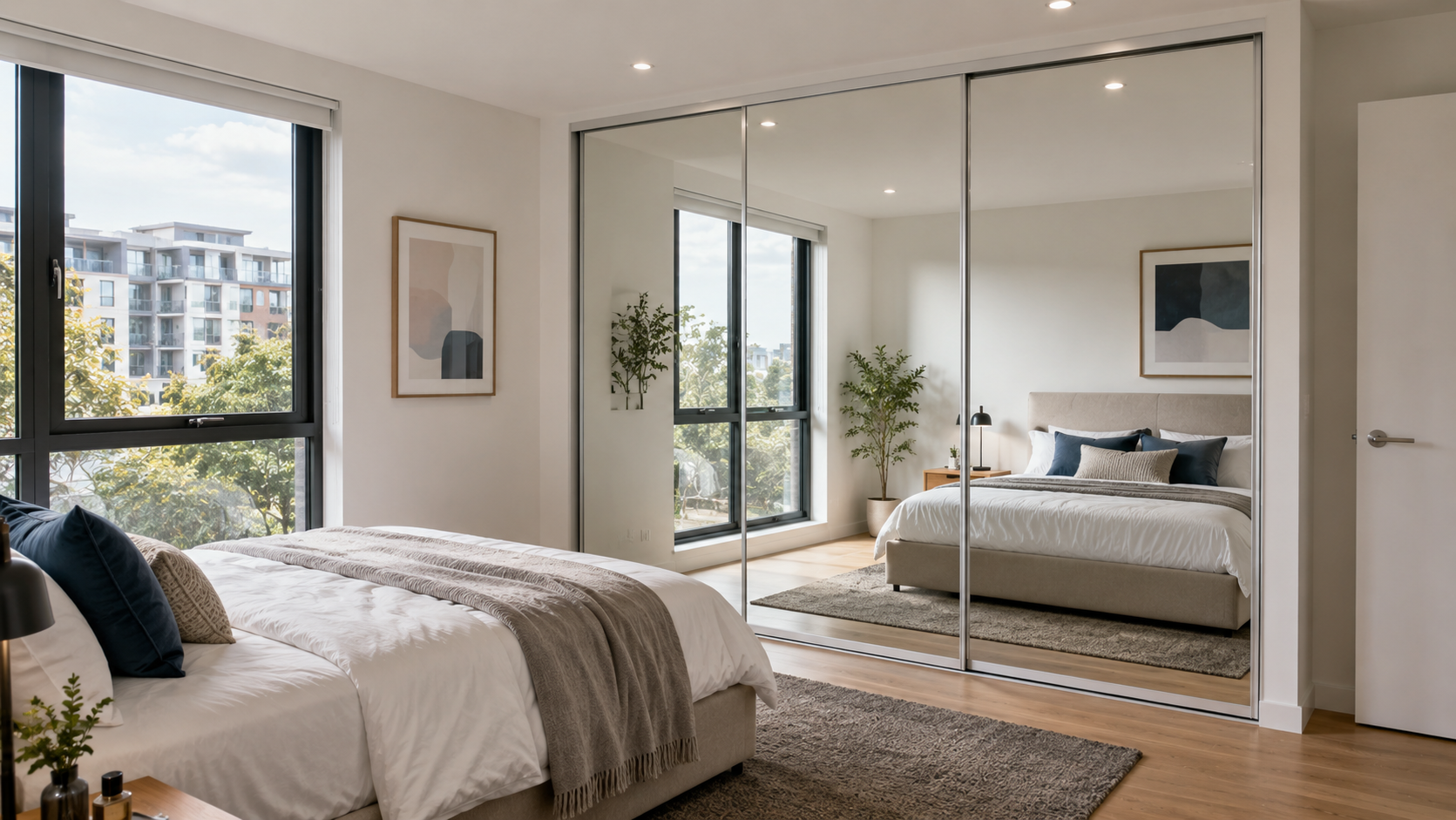
Mirrored sliding doors dominate the market with over 51% share globally, largely because they serve two purposes at once: storage and a full-length mirror. In a small Melbourne bedroom, this dual function is genuinely valuable. Glass-based doors of all types account for over 42% of new installations, reflecting a broader shift toward lighter, more open-feeling interiors.
Beyond materials, key features to look for include:
- Soft-close mechanisms: Prevent the jarring slam of a door hitting the frame, and they extend the lifespan of the track hardware.
- Floor-to-ceiling height: Eliminates the dust-collecting gap above the wardrobe and makes ceilings appear taller.
- Internal organisation systems: Adjustable shelving, hanging rails at multiple heights, and drawer inserts transform a basic cavity into a functional storage system.
- Smart slide technology: Automated sliding systems connected to smart home hubs are becoming more accessible, though still a premium addition.
If your household includes children, dedicated storage with appropriate internal fittings makes a real difference in day-to-day function. Purpose-designed kids wardrobes often feature lower hanging rails, colourful panel options, and adjustable shelf heights that grow with your child.
Custom-Built vs. Flat-Pack: Weighing Your Options
Many Melbourne homeowners face a choice between flat-pack sliding door wardrobe kits from large retailers and custom-built solutions from specialist manufacturers. Both have a place, but the decision should be driven by your room dimensions, storage requirements, and long-term plans for the property.
Flat-pack options typically cost between A$300 and A$1,200 for a basic two-door unit. They are accessible, relatively quick to install, and fine for rental properties or short-term needs. The limitations are significant, though: standard widths rarely fit perfectly into alcoves or non-standard wall spans, and internal configurations are often fixed or offer minimal flexibility.
Custom-built wardrobes are designed specifically for your space. A specialist wardrobe company will measure your room, discuss your storage habits, and design a configuration that actually works for your daily routine. The higher upfront investment, typically starting from A$2,000 and climbing based on size, materials, and features, pays off through better utilisation of space and a fit that looks intentional rather than approximate.
For those whose storage needs extend beyond a single wardrobe, it is worth considering whether walk in robes might be a better fit, particularly in master bedrooms where floor space allows for a dedicated dressing area.
Sustainable considerations are also worth factoring into your decision. Over 29% of wardrobe manufacturers have introduced eco-friendly or recyclable materials since 2023. When obtaining quotes, ask about board certifications, low-VOC finishes, and whether off-cuts from your build are recycled or disposed of responsibly.
Things to Know
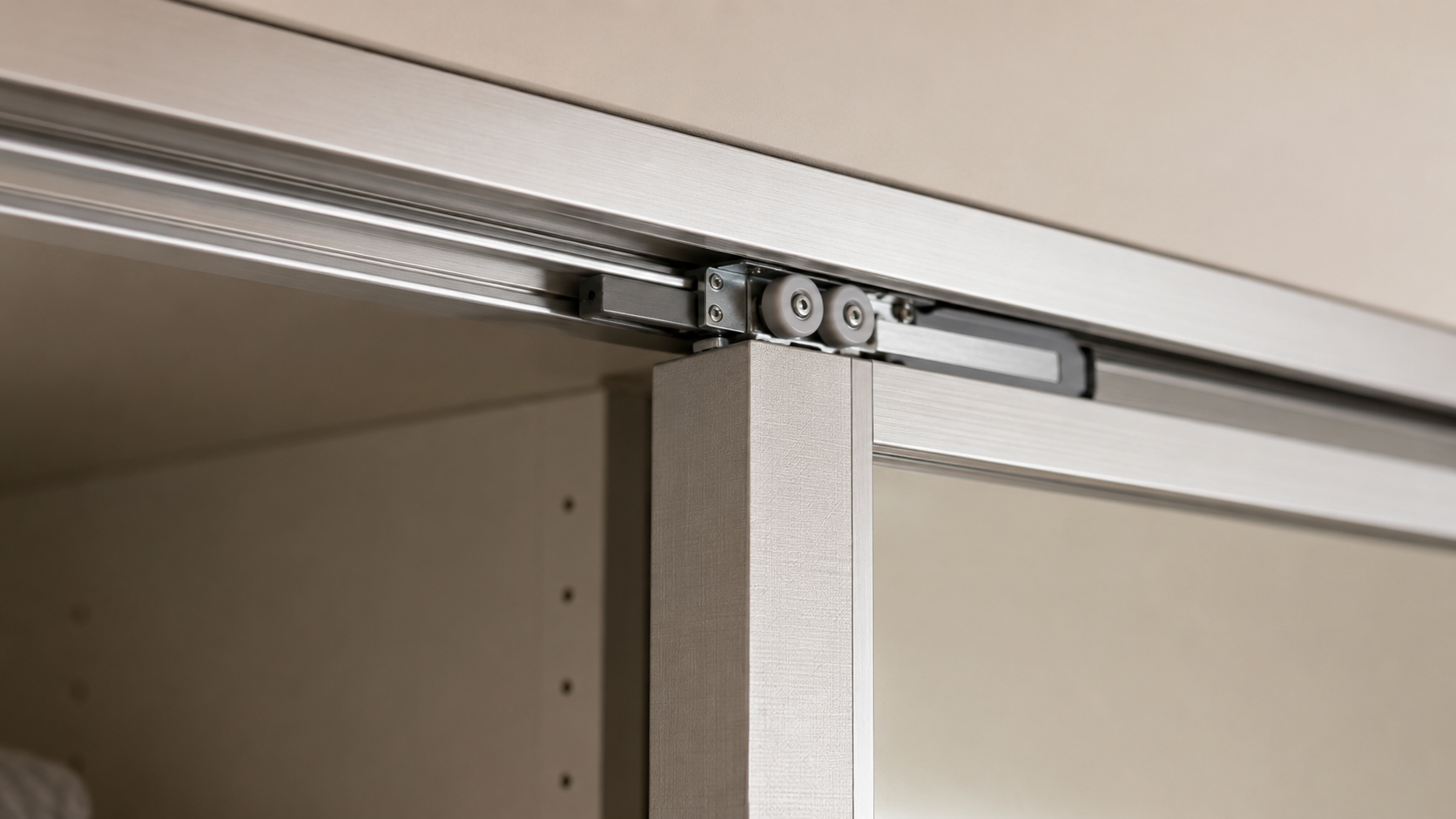
- The track quality matters as much as the door itself. Cheap bottom-track systems wear quickly, collect debris, and become difficult to operate within a few years.
- Floor-to-ceiling installations require precise ceiling height measurements. Textured or uneven ceilings (common in older Melbourne homes) may need additional preparation before installation.
- Mirrored doors in south-facing bedrooms with limited natural light can actually make a room feel darker if they reflect a blank wall. Position them where they capture a window or light source.
- High-cost customisation is cited as a barrier for nearly 34% of potential buyers globally. Getting multiple quotes from Melbourne-based specialists will help you find competitive pricing without sacrificing quality.
- If you are renovating a heritage-listed Melbourne property, check with your local council before making structural changes to walls or floor surfaces as part of a built-in wardrobe installation.
The Bottom Line on Sliding Door Wardrobe Selection
A sliding door wardrobe is one of the highest-return storage investments you can make in a Melbourne home, particularly where space is at a premium. Getting the material, track system, and internal layout right from the start will save you the frustration and cost of replacing or retrofitting later.
Start by measuring your available wall space accurately, decide on your door material based on the room’s light conditions and your aesthetic preference, and then consult with a local specialist who can translate your brief into a finished product.
Frequently Asked Questions
Q: How much does a sliding door wardrobe cost in Melbourne?
Costs in Melbourne range from roughly A$1000 for a flat-pack kit to A$8,000 or more for a fully custom-built, floor-to-ceiling installation.
The biggest variables are door material, wardrobe dimensions, internal fittings, and whether you choose supply-only or supply-and-install. Always get at least three quotes from local specialists before committing.
Q: Can a sliding door wardrobe be installed in a room with an uneven floor?
Yes, most professional installers can accommodate minor floor irregularities using adjustable track fittings and levelling components.
Significant unevenness may require floor preparation beforehand. It is always best to flag this with your installer during the measurement stage.
Q: Are mirrored sliding doors safe in a bedroom?
Modern mirrored sliding doors use toughened or laminated safety glass, which breaks into small blunt fragments rather than sharp shards if damaged.
This makes them a safe and practical choice for bedrooms, including those used by teenagers or young adults. Always confirm the glass specification with your supplier.
Q: How do I maintain sliding door wardrobe tracks?
Regular vacuuming of the track channel and a light application of silicone spray every six months keeps sliding doors operating smoothly.
Avoid oil-based lubricants, which attract dust and grime. Bottom tracks in particular should be cleaned monthly if the wardrobe is in heavy daily use.
Q: What internal layout works best for a sliding door wardrobe?
The best layout depends on the ratio of hanging clothes to folded items, shoes, and accessories specific to each user.
A common starting point is one full-length hanging section, one double-hanging section for shorter items, and a column of shelving or drawers.