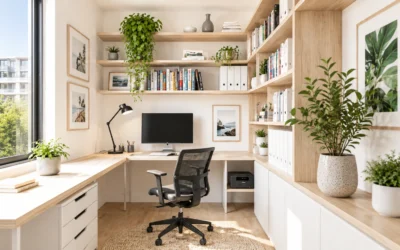
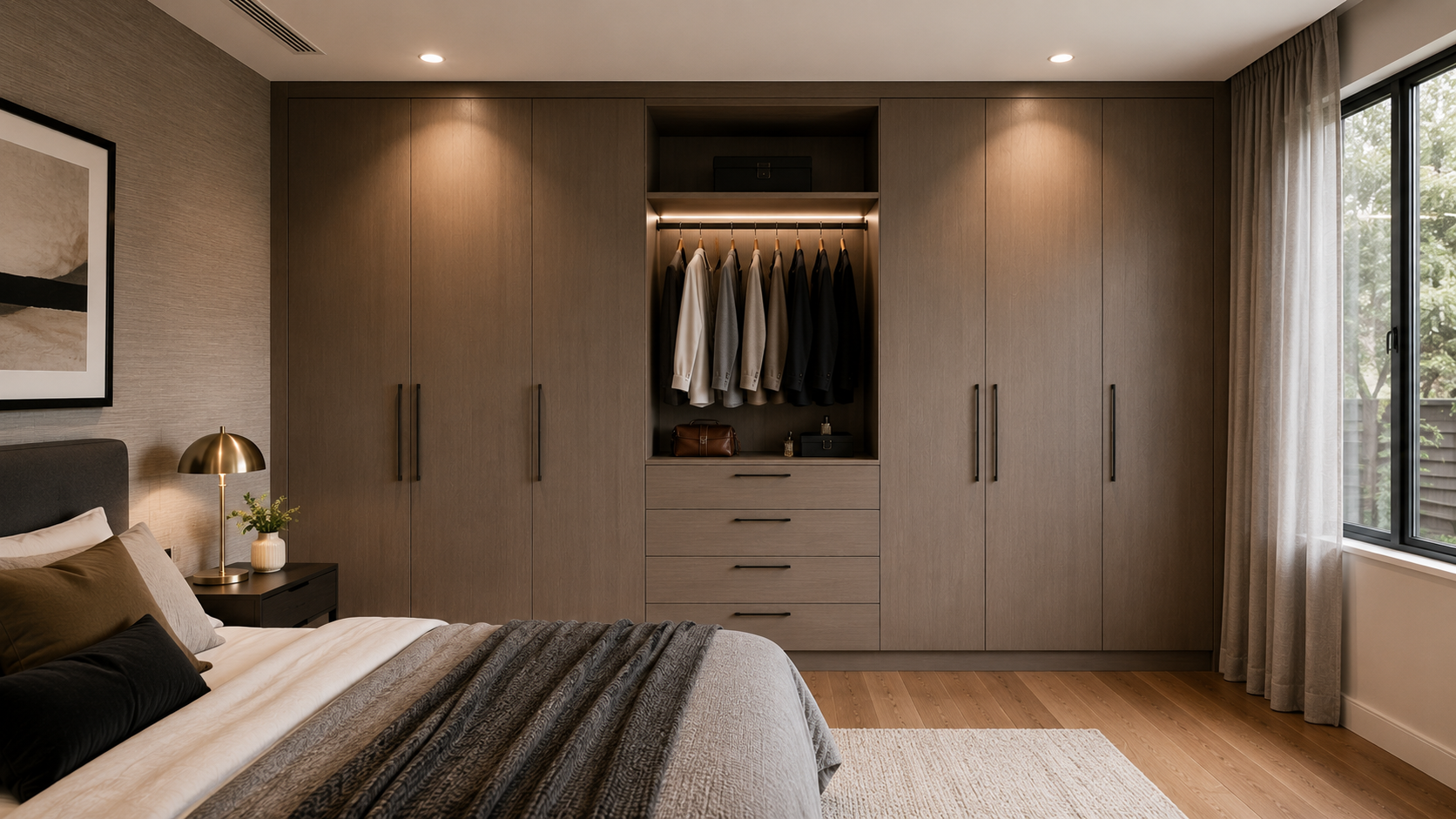
A built-in wardrobe is a fixed storage system constructed directly into a wall or alcove, designed to maximise space while becoming a permanent feature of your room. For Melbourne homeowners, built-ins offer a practical upgrade over freestanding furniture, adding organisation, visual appeal, and real property value.
Key Takeaways
- Built-in wardrobes are permanent, customisable storage systems that suit a wide range of room sizes and budgets.
- Melbourne’s property market increasingly rewards homes with quality built-in storage, making them a smart long-term investment.
- Custom designs can accommodate everything from walk-in robes to compact kids’ rooms, with modular systems offering flexibility.
- Sustainable materials and smart storage features are now mainstream considerations, not just premium add-ons.
- Design trends in 2026 are moving away from all-white finishes toward layered materials, deeper colours, and natural textures.
- Getting the planning right before installation, including measurements, layout, and lifestyle needs, saves significant time and money.
Why Melbourne Homeowners Are Investing in Built-In Storage
Melbourne’s housing market has changed significantly over the past decade. As block sizes shrink and apartment living becomes more common, storage efficiency has become a genuine priority rather than a nice-to-have. A well-designed built-in wardrobe addresses this directly by using every available centimetre of wall space, floor to ceiling if needed, without encroaching on the room’s footprint the way a bulky freestanding wardrobe does.
The numbers reflect this shift. Globally, around 53% of newly constructed single-family homes now include dedicated built-in wardrobe installations, while more than 68% of premium residential builds incorporate integrated closet systems. In Australian cities like Melbourne, where inner-suburb renovation projects are booming, this trend is particularly visible.
Approximately 57% of homeowners now prefer customised storage layouts over freestanding alternatives, and it is easy to understand why. A custom solution accounts for ceiling heights, door swing clearances, awkward alcoves, and your actual wardrobe, not a generic assumption of what most people own.
Design Trends Shaping Built-In Wardrobes in 2026
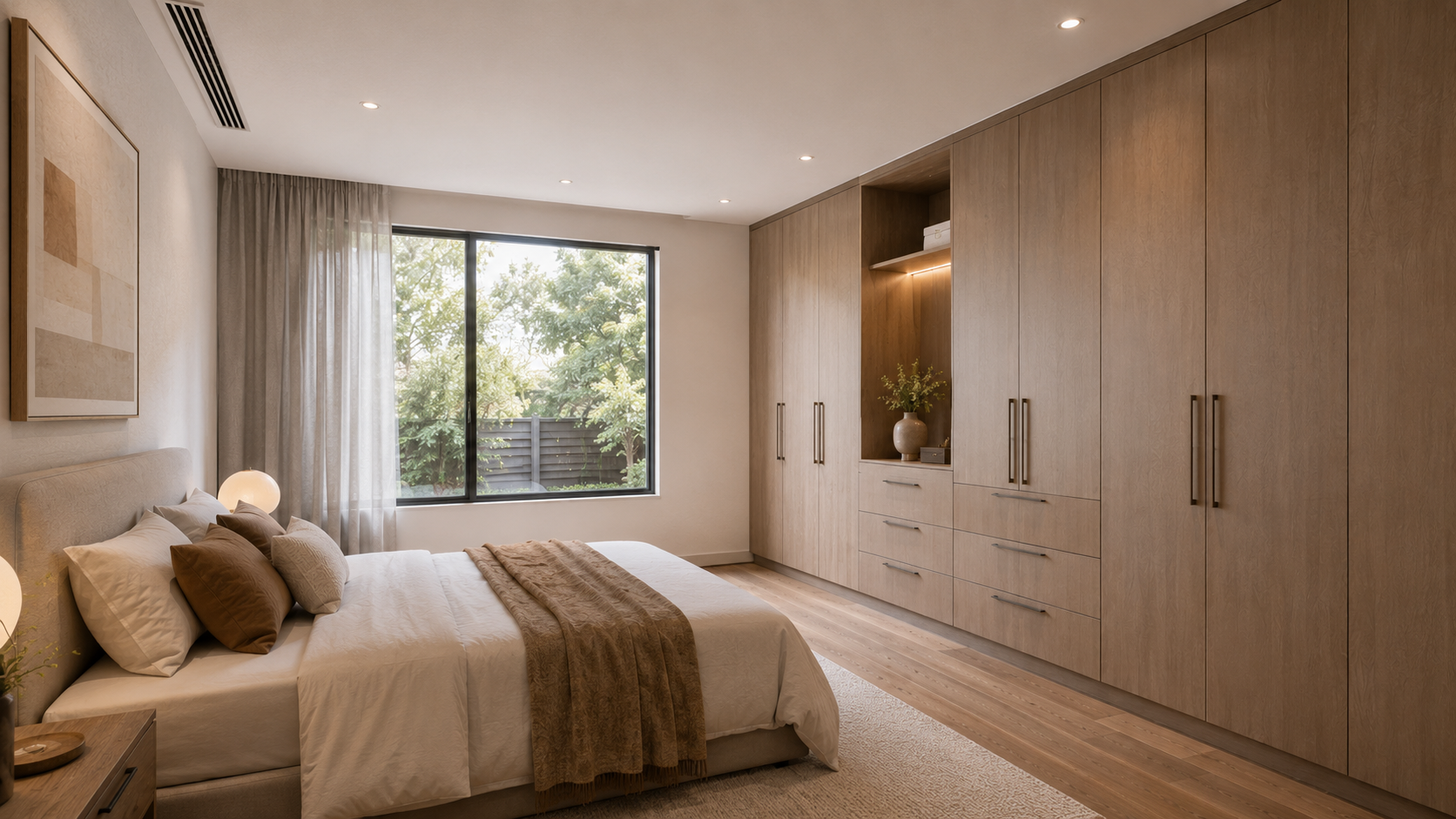
The aesthetic of built-in storage has shifted considerably. The all-white, high-gloss finish that dominated Melbourne renovations throughout the 2010s is giving way to something more considered and personal. In 2026, the strongest design trends involve layered materials, deeper hues, natural textures, and details that feel deliberately crafted rather than mass-produced.
Moving Beyond All-White Finishes
Homeowners are now choosing mixed material combinations: timber veneer panels alongside matte lacquer doors, or smoked glass inserts paired with brushed brass hardware. Feature shelving designed for curated displays, rather than purely functional storage, is increasingly common in master bedrooms and walk-in configurations.
If you are looking for inspiration before committing to a design direction, browsing ideas from a specialist joinery provider gives you a realistic picture of what is achievable at different price points.
Hidden Storage and Smart Features
Hidden storage is one of the defining trends of 2026. Concealed compartments, integrated jewellery drawers, and pull-out shoe racks keep everything organised without visual clutter. Sensor-enabled lighting and automated compartments were included in 29% of newly installed built-in closets globally, and while these features were once considered premium, they are now appearing in mid-range Melbourne renovation budgets as well.
Built-in clothing drawers are replacing the need for a separate dresser in many bedrooms. Custom drawers sized for folded shirts, workout gear, undergarments, and seasonal items make the entire room more functional and less cluttered.
Sustainable Material Choices
Sustainability is no longer a niche concern. Around 47% of consumers now factor certified sustainable materials into their purchasing decisions when it comes to home storage. Timber products account for roughly 54% of built-in wardrobe installations globally, reflecting a continued preference for natural materials. Glass elements appear in approximately 12% of installations, with glass wardrobe features particularly popular in premium Melbourne apartments.
Types of Built-In Wardrobe Configurations
Choosing the right configuration depends on your room size, the amount of storage you need, and your budget. Below is a breakdown of the most common options available to Melbourne homeowners.
|
Configuration |
Best For | Typical Features | Approximate Cost Range (AUD) |
|---|---|---|---|
| Reach-in (single bay) | Small bedrooms, hallways | Hanging rail, shelves, basic drawers | A$800 to A$2,500 |
| Reach-in (double/triple bay) | Standard bedrooms | Multiple hanging zones, shoe storage | A$2,000 to A$6,000 |
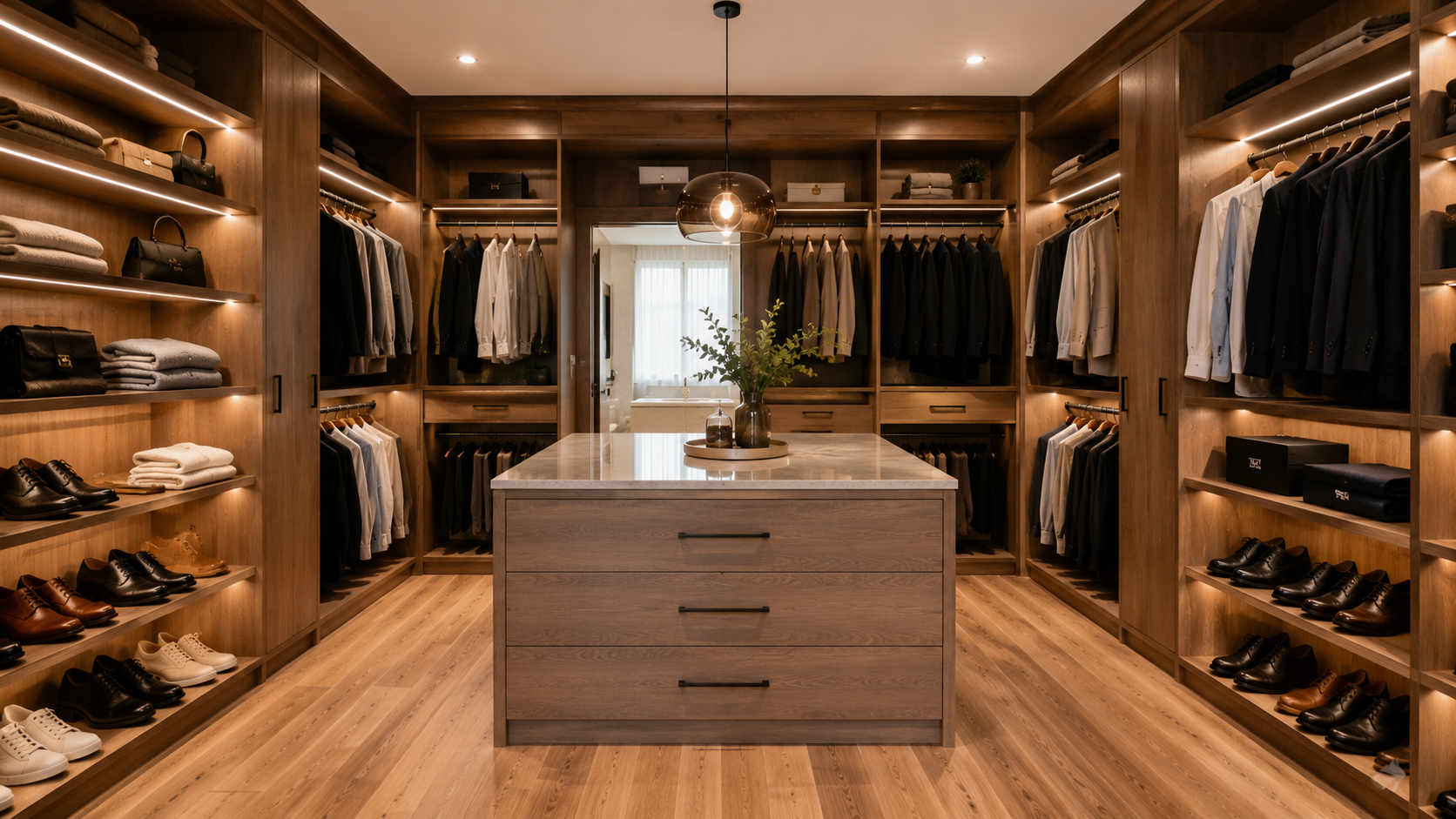
| Walk-in robe | Master bedrooms, large rooms | Island bench, full-perimeter storage | A$5,000 to A$20,000+ |
| Sliding door system | Rooms with limited swing space | Space-saving doors, full-height panels | A$1,500 to A$8,000 |
| Kids’ room configuration | Children’s bedrooms | Adjustable shelves, lower hanging, colour options | A$1,000 to A$4,000 |
Note: Prices vary based on materials, size, and complexity. Custom joinery will typically sit at the higher end of each range.
Planning Your Built-In Wardrobe: What to Get Right Before Installation
Poor planning is the most common reason built-in wardrobe projects go over budget or fail to meet expectations. Spending time on the planning stage, before you contact a single supplier, sets up the entire project for success.
Measure Everything Twice
The wall width, height, and depth available will determine your configuration options. In Melbourne’s older Victorian and Edwardian homes, walls are rarely perfectly square and ceiling heights vary. A good installer will account for this, but you should know your approximate dimensions before any conversation begins.
Think About Your Actual Wardrobe
One of the most useful planning exercises is auditing what you actually own. How many hanging garments do you have? Do you fold more than you hang? Do you need dedicated shoe storage? A custom solution works best when it reflects your real habits rather than a theoretical ideal.
Consider the Room’s Traffic Flow
Door swing direction, drawer clearances, and access to adjacent furniture all affect how livable the finished wardrobe will be. Sliding doors work well in rooms where a hinged door would obstruct movement, while hinged doors tend to offer better visibility into the wardrobe itself.
Configurations for Different Rooms and Household Types
Built-in storage is not limited to the master bedroom. Throughout a Melbourne home, purpose-built storage solutions can transform how each room functions.
Walk-In Robes for Master Bedrooms
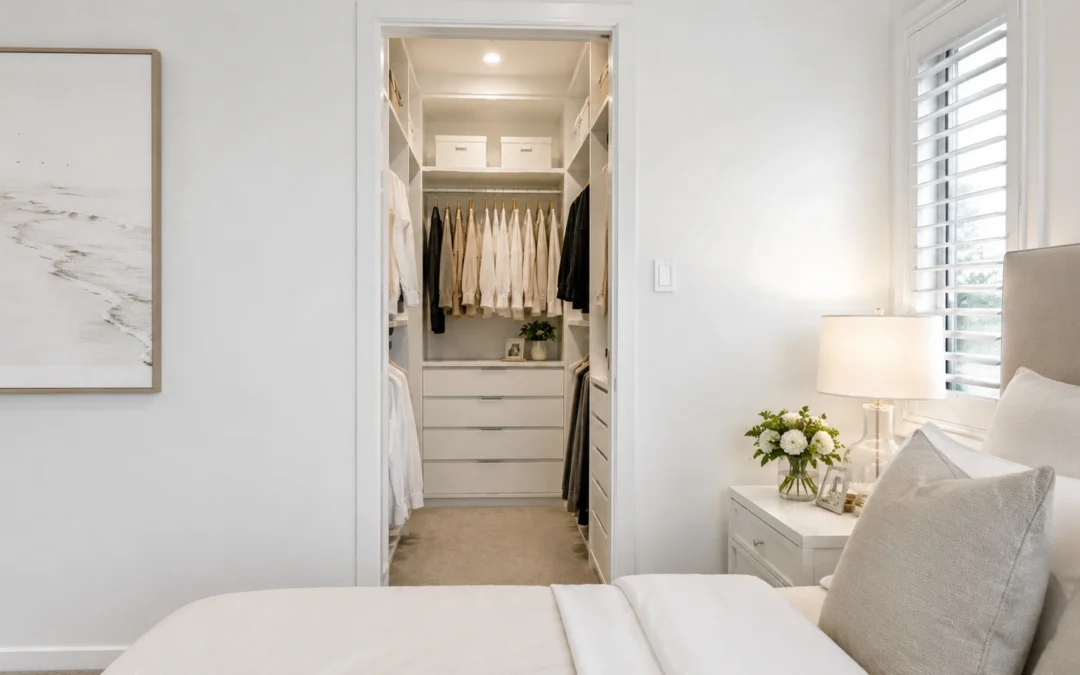
For larger rooms, walk in robes represent the premium end of built-in storage. A well-designed walk-in configuration provides perimeter hanging and shelving, an island bench for folding or display, integrated lighting, and often a mirrored zone. In Melbourne’s inner-east and bayside suburbs, walk-in robes are increasingly expected in any home positioned above the A$1.2 million price bracket.
Built-Ins for Children’s Bedrooms
Children’s rooms have specific storage requirements that change over time. A six-year-old needs low hanging rails and accessible shelving; a teenager needs more drawer space and height. Adjustable systems are the practical answer here. If you are fitting out a child’s room, exploring purpose-designed kids wardrobes that accommodate growth and changing needs makes much more sense than a fixed adult configuration.
Guest Rooms and Smaller Spaces
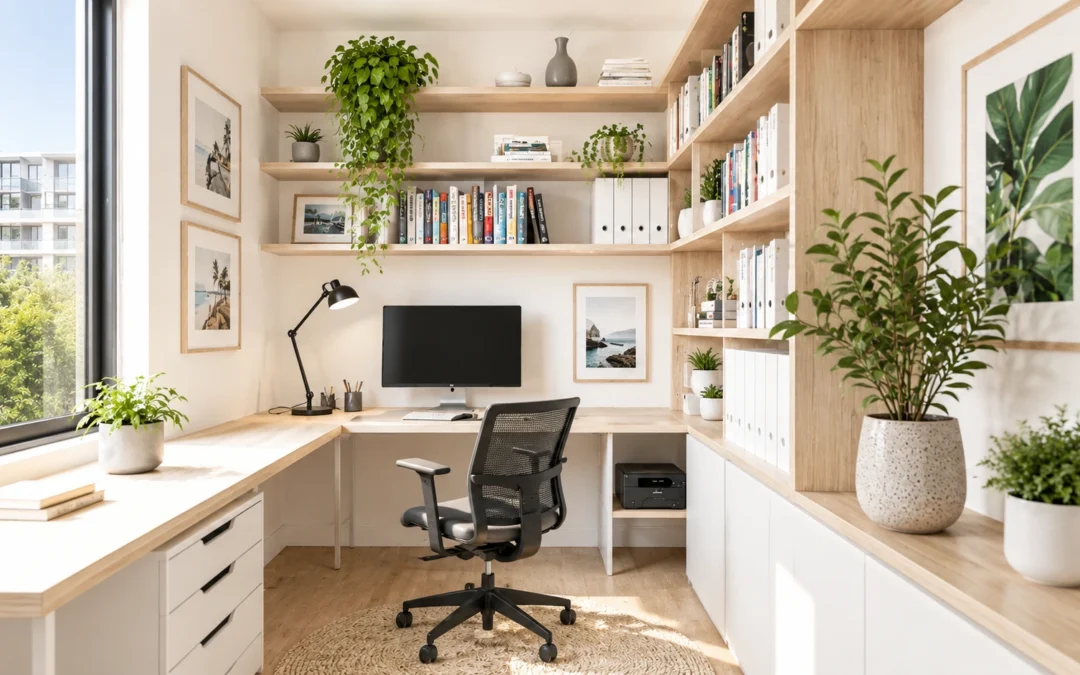
A single-bay reach-in wardrobe can completely transform a spare bedroom or study-nook. Even a shallow 550mm depth is enough for hanging, shelving, and a few drawers, making previously underused rooms genuinely functional.
Things to Know
- Melbourne’s older homes often have non-standard wall heights and irregular alcoves, so off-the-shelf systems may require modification to fit properly.
- Sliding door wardrobes save floor space but limit simultaneous access to the full interior, which can be frustrating if two people share the wardrobe.
- Melamine and MDF are cost-effective choices, but solid timber and timber veneer offer better longevity and a higher-end appearance that tends to photograph better for real estate listings.
- The global built-in closet market is projected to grow from an estimated USD 38.38 billion in 2026 to USD 94.75 billion by 2035, reflecting a sustained global appetite for integrated home storage.
- Built-in wardrobes increase usable floor area visually and practically, which can have a measurable impact on how buyers perceive the size of a room during a property inspection.
- Modular systems offer a middle ground between custom joinery and flat-pack furniture: more flexibility than flat-pack, more affordable than fully bespoke builds.
The Bottom Line on Built-In Wardrobe Design for Your Melbourne Home
A well-planned built-in wardrobe transforms how a room functions, adds real property value, and reflects how you actually live. Whether you are fitting out a compact apartment bedroom or designing a walk-in robe for a family home in, the fundamentals are the same: measure carefully, plan for your real habits, choose materials that suit your budget and timeline, and work with a supplier who understands Melbourne’s housing stock.
Frequently Asked Questions
Q: How much does a built-in wardrobe cost in Melbourne?
Costs vary widely depending on the size, materials, and whether you choose a custom joinery solution or a modular system.
A basic single-bay reach-in wardrobe can start from around A$800 for a flat-pack approach, while a fully custom walk-in robe with premium finishes and integrated lighting can exceed A$20,000. Most Melbourne homeowners spend between A$3,000 and A$10,000 for a quality double-bay custom installation in a standard bedroom.
Q: Does a built-in wardrobe add value to a Melbourne home?
Yes, well-designed built-in storage is consistently noted by real estate agents as a selling point, particularly in Melbourne’s competitive inner-suburb market.
Buyers expect integrated storage in modern homes, and poorly designed or absent wardrobe space can affect perceived value. A well-executed installation pays for itself many times over when it comes to sale time.
Q: What is the difference between a walk-in robe and a built-in wardrobe?
A walk-in robe is a type of built-in wardrobe that occupies an entire room or dedicated alcove, allowing you to physically enter the storage space.
A standard built-in wardrobe is accessed from outside and is typically fitted against or into a wall. Walk-in configurations offer more storage capacity, greater layout flexibility, and a more premium feel.
Q: How long does it take to install a built-in wardrobe in Melbourne?
A standard bedroom installation by a professional joinery company typically takes one to three days depending on the size and complexity.
Custom walk-in robes with island benches, integrated lighting, and complex configurations may take longer. Lead times for custom joinery in Melbourne currently range from four to twelve weeks from design sign-off to installation.
Q: Can I get a built-in wardrobe in a rental property?
It depends on your lease agreement and the landlord’s approval, but many Melbourne landlords are open to built-in storage if the tenant covers the cost and the installation adds value to the property.
Always get written approval before proceeding. Modular systems that can be removed without damage to walls may be a more practical option if long-term tenancy is uncertain