
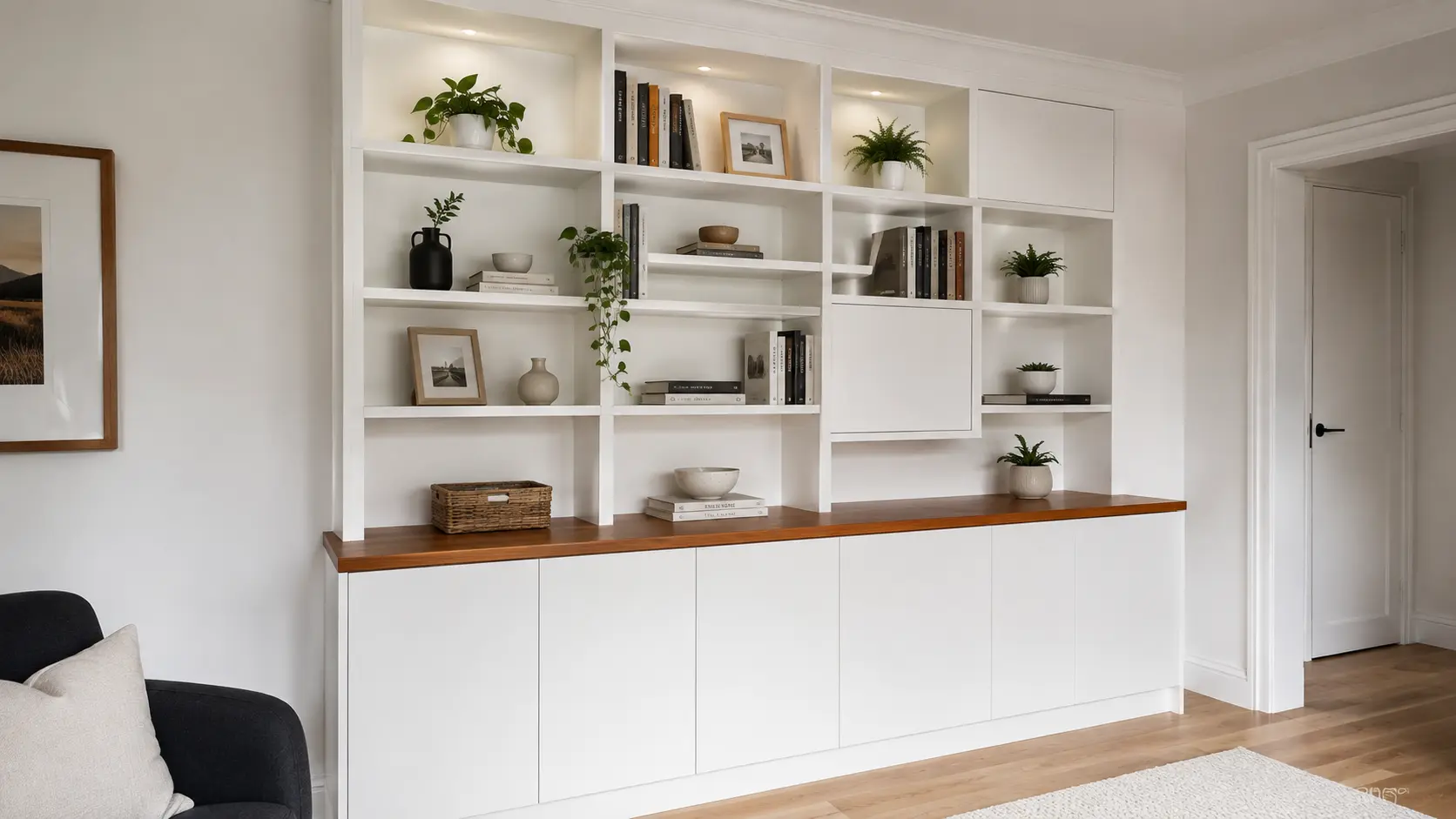
Small bookshelves are one of the most versatile additions you can make to any room in your home. Whether you are working with a tiny apartment in Fitzroy, a compact bedroom in Brisbane, or a cluttered home office in the suburbs, the right shelf can transform dead space into something both functional and genuinely good-looking.
Key Takeaways
- Vertical wall space is your biggest untapped asset in any small room.
- Ladder shelves, corner units, and floating shelves each suit different room types and budgets.
- Multi-functional shelving (display plus storage) delivers the best value in compact spaces.
- Off-the-shelf compact bookcases work for most renters, but custom units are worth considering when nothing fits quite right.
- Styling matters as much as the shelf itself — how you arrange books and objects changes the feel of a whole room.
- Almara Cabinets offers Melbourne-made custom shelving backed by 30 years of experience and 30,000 installations.
Why Small Rooms Actually Deserve Great Shelving
There is a common mistake people make in small rooms: they avoid adding furniture because they fear it will make the space feel cramped. The truth is the opposite. Thoughtful shelving, especially units that go vertical, can make a room feel more organised, more intentional, and even larger than it is.
According to professional home organiser Britnee Tanner, bookshelves are one of the easiest ways to keep clutter and books up and off the ground in a small room, while still giving you space to display keepsakes and artwork. When your floor is clear, the room breathes.
The market reflects this shift. In 2025, compact bookcases and space-saving shelving units are no longer just a practical afterthought. They are a design choice. Consumers are prioritising multifunctional, space-saving designs that work harder for every square metre. Standard compact bookshelves account for roughly 25 to 30 per cent of market volume, while ladder shelves have grown to around 15 to 20 per cent, particularly popular with younger Australians renting apartments.
If you have ever felt stuck staring at a gap beside your sofa or a bare wall above your desk, this is your starting point.
The Best Small Bookshelf Types for Different Spaces
Not all small space shelving is created equal. The right type depends on your room, your wall structure, and how you plan to use the shelf. Here is a breakdown of the most practical options available right now.
Floating Wall-Mounted Shelves
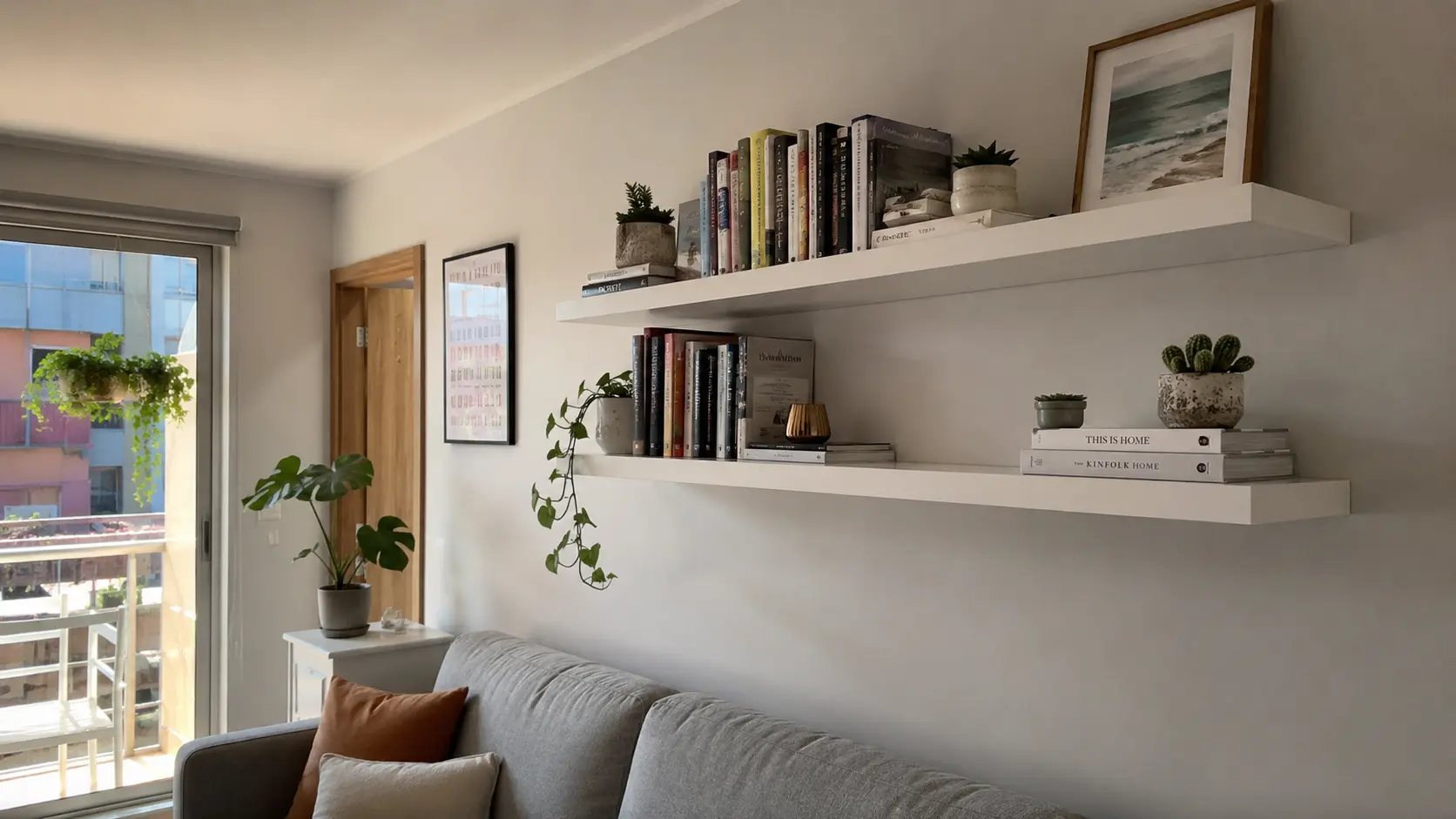
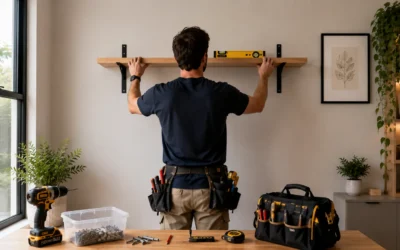
Floating shelves are the undisputed champions of small-space shelving. They attach directly to the wall, leaving your floor completely free, and they work in almost every room of the house. A set of three staggered floating shelves above a desk can hold your entire reading collection without adding a single centimetre to your floor footprint.
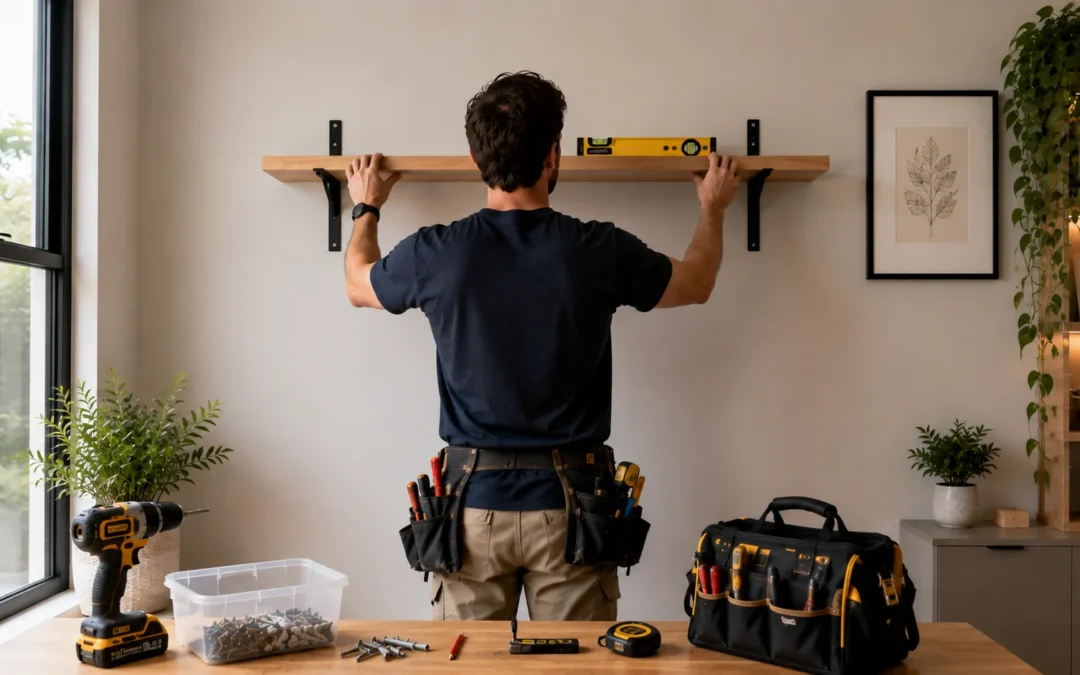
The trade-off is installation. You need studs or wall anchors rated for the load, and rental properties sometimes restrict wall modifications. If you are renting, always check your lease before drilling.
Ladder Bookcases
A ladder bookcase leans against the wall at an angle and typically offers four to five shelves that get narrower as they go up. They require no wall fixing, which makes them perfect for renters. They are also genuinely stylish, which explains their surge in popularity with apartment dwellers across Melbourne and Sydney.
The downside is stability. Ladder shelves are not suitable for households with young children unless they are properly secured to the wall.
Corner Bookshelves
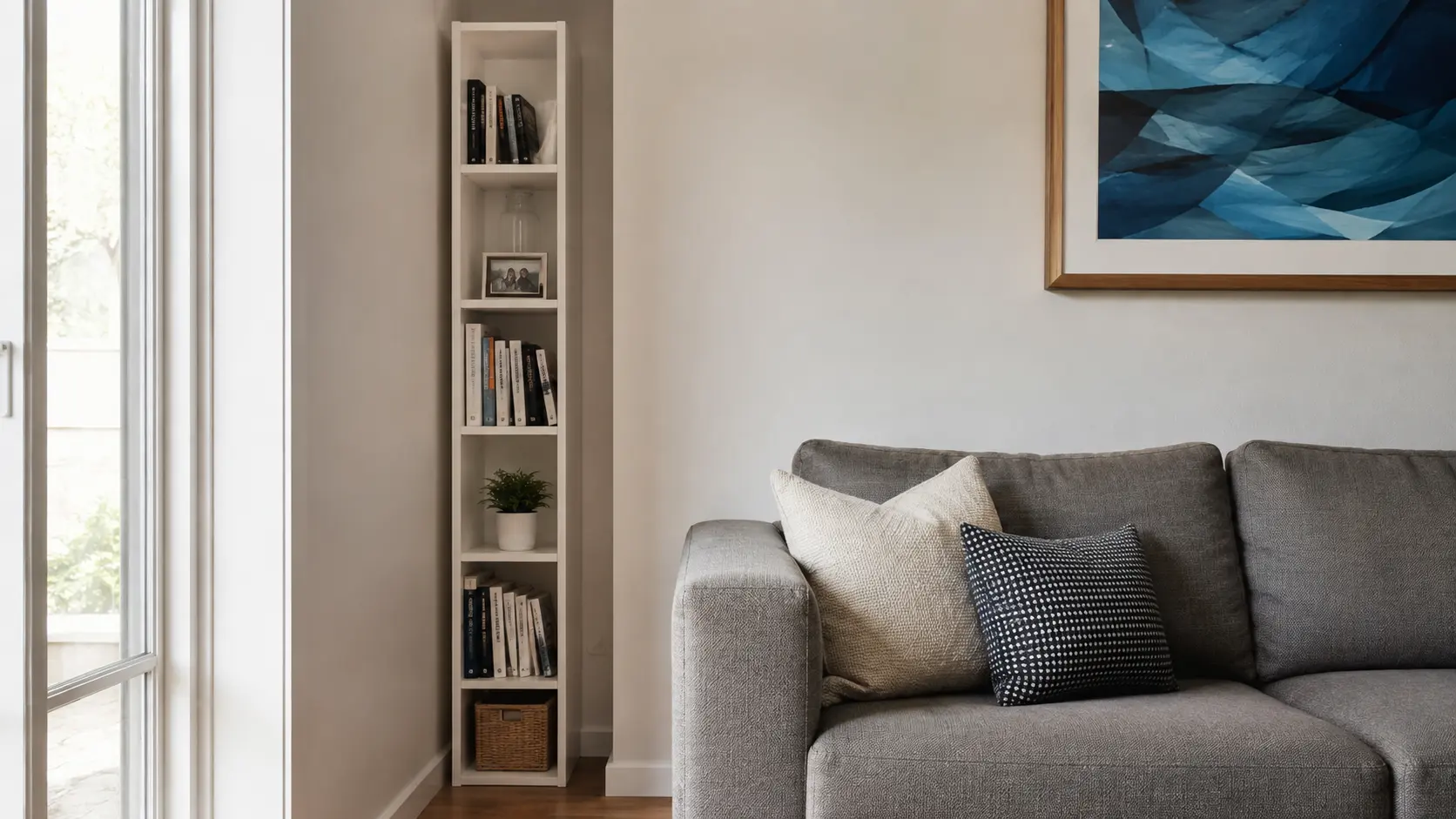
Corners are wasted space in almost every room. A corner bookcase slots neatly into that 90-degree junction and turns it into a display feature. Corner units work particularly well in living rooms and home offices where two walls meet beside a window or doorway.
For a deeper look at different shelving styles and configurations, the Almara Cabinets inspiration gallery shows how Melburnians are using custom shelving in real homes across a range of room types.
Skinny Book Towers
Skinny towers are tall, narrow freestanding units, sometimes as slim as 25 centimetres deep. They fit into gaps that nothing else will, like the space between a doorframe and a wall, beside a refrigerator, or next to a sofa arm. They look intentional rather than improvised, which is a small victory in interior design terms.
Room-by-Room Ideas That Actually Work
The where matters as much as the what. Living rooms dominate bookshelf usage at around 40 to 45 per cent of all installations, followed by home offices at 25 to 30 per cent. Bedrooms, entryways, kids rooms, and multifunctional spaces make up the rest.
Living Room
In a living room, your compact bookcase is also a display piece. The goal is to balance books with objects: a framed photo, a small plant, a candle. Smart book storage ideas for small living spaces often recommend grouping books by colour or height to create visual rhythm without looking chaotic.
Floating shelves flanking a TV unit are a particularly popular approach in Australian apartments. They frame the screen, add warmth, and use wall space that would otherwise sit empty.
Home Office
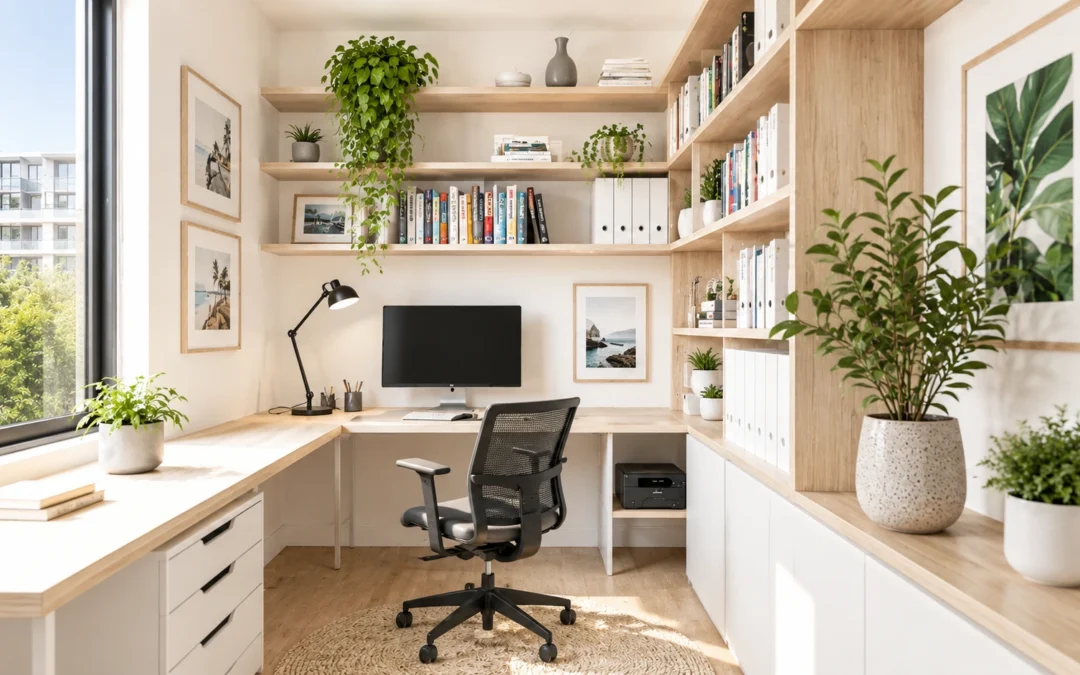
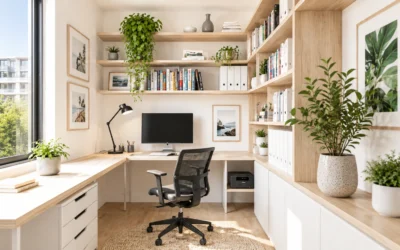
In a home office, an apartment bookshelf needs to work hard. You want easy access to reference materials, space for files, and ideally a spot for a printer or monitor riser. A compact bookcase with adjustable shelves gives you flexibility as your needs change.
If your desk is against a wall, consider mounting shelves directly above it, running the full width of the desk. This keeps your desktop clear while tripling your storage overhead. For those looking at dedicated study shelving, exploring bookshelves melbourne options gives you a clear picture of what is possible in a professional home office setup.
Bedroom
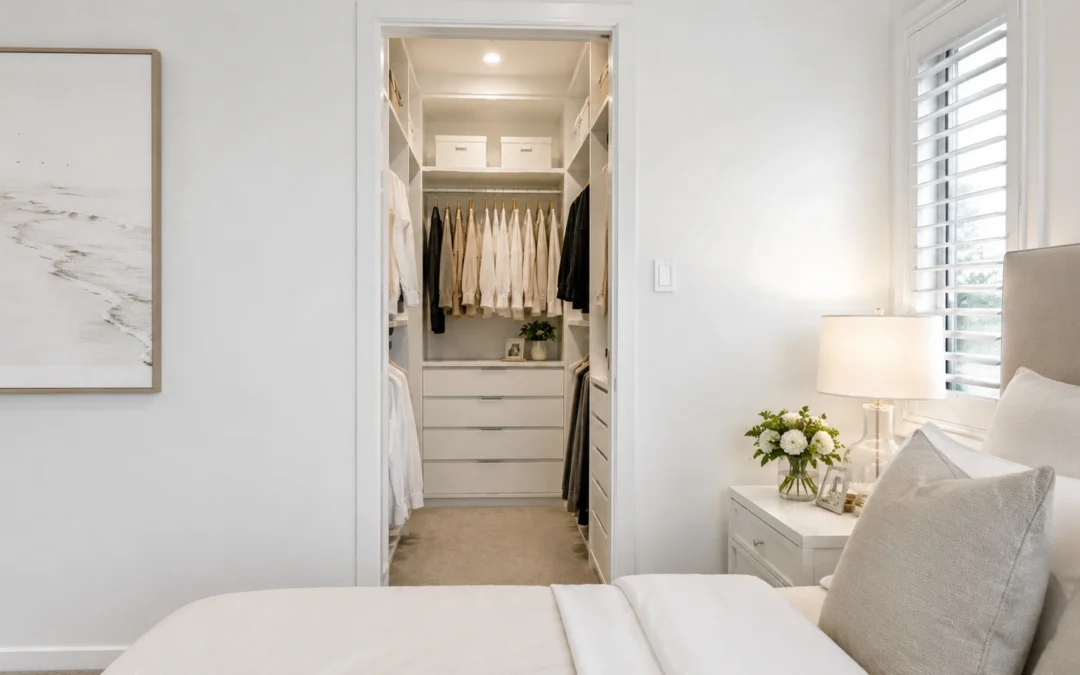
In a bedroom, a small space shelving solution needs to feel calm rather than busy. Bedside floating shelves replacing bulky bedside tables are hugely popular right now. Two shelves at different heights give you space for your lamp, water glass, current read, and phone charger without the bulk of a traditional bedside table.
For built-in style without full custom pricing, a narrow ladder shelf in the corner of the bedroom can hold everything from novels to skincare without dominating the room.
Kids’ Rooms
Low, accessible shelving transforms how children interact with their books and toys. Shelves at hip height encourage kids to reach for books themselves and to tidy up independently. Look for units with rounded corners and sturdy construction. In a child’s room, a space-saving bookcase that doubles as a display ledge for toys and models earns its floor space twice over.
Hallways and Entryways
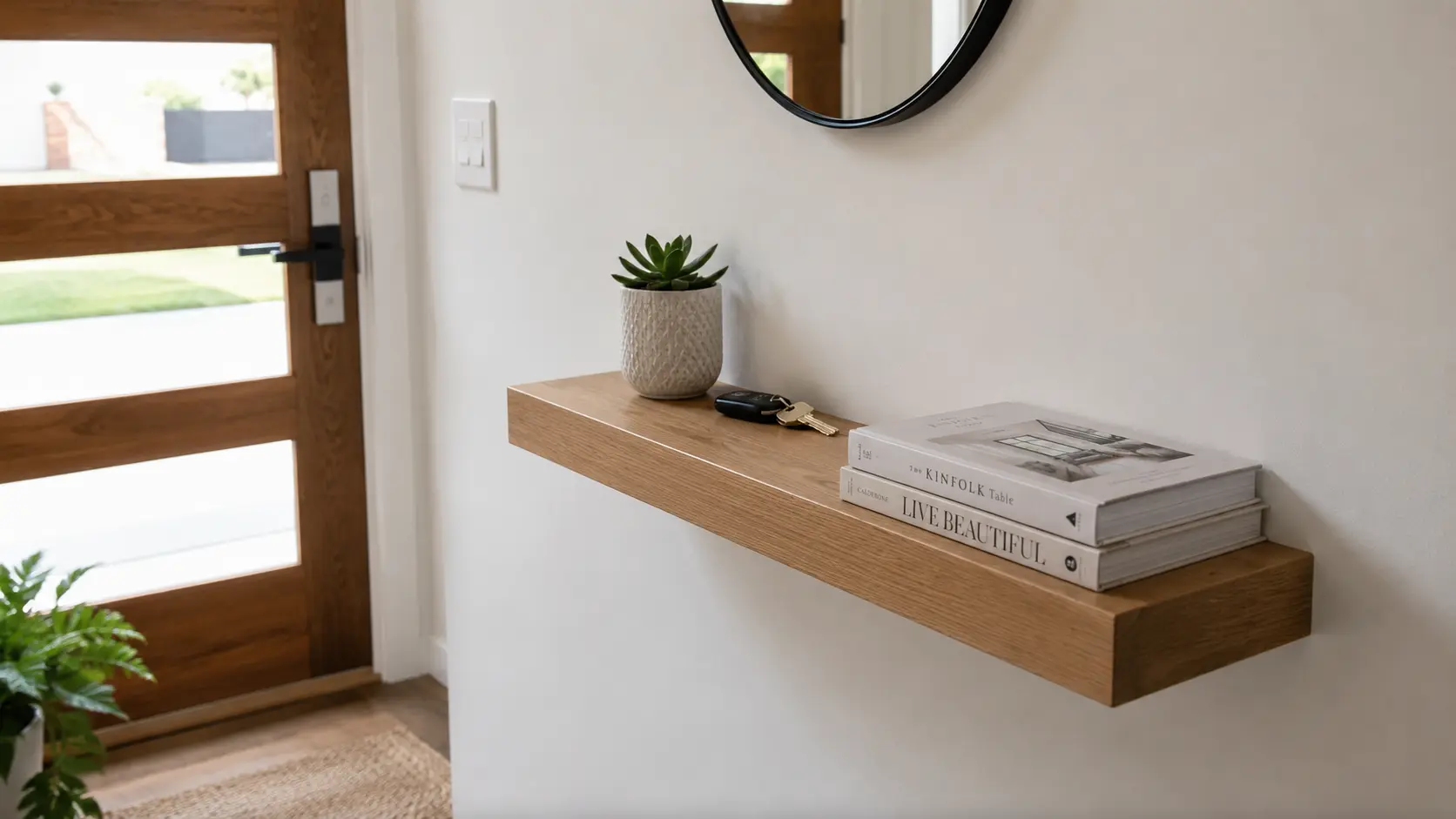
A hallway might be the last place you think of for shelving, but a slim wall-mounted unit near the front door can hold keys, mail, and a few paperbacks without getting in the way. This is where skinny towers and shallow floating shelves shine. See realistic book storage ideas for small spaces for some genuinely clever hallway approaches.
Things to Know
- Wall-mounted shelves require load-bearing fixing points. In older Melbourne homes with double-brick walls, you will need masonry anchors rather than standard wall plugs.
- Melamine and particleboard units are cheaper but bow under heavy book loads over time. Solid timber or plywood construction holds up significantly better for full shelves.
- Compact bookcases in the A$100 to A$200 range suit light use well; medium units in the A$200 to A$350 range offer more durability and shelf depth for heavier collections.
- Shelf depth matters more than people expect. Most paperbacks need around 15 to 20 centimetres of depth; oversized art books and textbooks need 25 to 30 centimetres.
- Adjustable shelves are worth the small premium, especially if your book and object sizes vary over time.
- Ladder shelves and freestanding units can be moved when you shift rental properties, making them a smarter investment for non-permanent living situations.
When Off-the-Shelf Is Not Enough
Most compact bookshelves from furniture retailers will do a fine job in standard rooms. But there is a specific situation where an off-the-shelf unit consistently falls short: when the space has unusual dimensions, awkward angles, or an alcove that no standard unit fits.
Melbourne homes, particularly older terraces and units in suburbs like Prahran, Richmond, and Northcote, often have alcoves beside fireplaces or under staircases that are begging for shelving. A standard 80-centimetre-wide bookcase simply will not fit a 73-centimetre alcove. You lose the space entirely or end up with a unit that looks wrong.
This is where custom-built shelving from a specialist like Almara Cabinets earns its keep. With over 30 years of experience and 30,000 installations across Melbourne, Almara builds shelving that is sized to your exact room, finished to match your existing cabinetry, and designed to make the most of every available centimetre. For a full picture of what Melbourne-made shelving looks like in practice, the range of bookshelves options covers everything from study units to floor-to-ceiling display shelving.
Bookshelf design trends for 2025 highlight that homeowners increasingly want shelving that looks built-in even when it is not, favouring clean lines, integrated lighting, and finishes that match their walls. Custom cabinetry delivers this naturally.
Styling Your Small Bookshelves So They Actually Look Good
Buying the shelf is only half the job. How you style it determines whether it looks considered or chaotic.
A few principles that work consistently:
- Group books in sets of three to five, alternating between vertical stacking and horizontal piles.
- Leave at least 20 per cent of each shelf empty. Negative space is not wasted space — it is what makes the rest look intentional.
- Mix heights: a tall object next to a short stack next to a medium object creates movement.
- Use one consistent colour theme per shelf, either in the book spines or the decorative objects.
- Add one organic element per shelf: a small plant, a piece of driftwood, or a natural stone object grounds the display.
For detailed visual inspiration including real Australian homes and room layouts, the Almara Cabinets inspiration gallery is a useful reference before you commit to a layout or purchase.
The Bottom Line on Small Bookshelves Ideas for Every Room
Small bookshelves ideas for every room come down to one consistent truth: the best shelf is the one that fits your actual space, serves your actual habits, and looks good doing it. Whether that means a A$120 ladder shelf from a furniture retailer or a custom floor-to-ceiling unit built by Almara Cabinets, the principle is the same. Use your vertical space, keep your floor clear, and stop treating corners and alcoves as dead zones.
Start by measuring your available wall space, noting any awkward angles or alcoves, and deciding whether a freestanding or wall-mounted solution suits your living situation. Then take that information to a professional who can show you what is actually possible in your home.
Frequently Asked Questions
Q: What is the best type of small bookshelf for a rental apartment?
Ladder bookcases and freestanding skinny towers are the best choices for renters because they require no wall fixing.
They are easy to move, do not require drilling, and come in styles that suit modern apartment interiors. If you do want floating shelves, always check your lease and use damage-minimising wall anchors where permitted.
Q: How do I stop a compact bookcase from looking cluttered?
Leave at least 20 per cent of shelf space empty and mix books with a small number of decorative objects.
Grouping books by colour or size also helps the shelf look ordered rather than random. The key principle is that less on the shelf usually looks like more effort, not less.
.
Q: Are custom bookshelves worth it compared to flat-pack options?
Custom bookshelves are worth the investment when your space has non-standard dimensions, alcoves, or specific finish requirements that flat-pack units cannot meet.
For a standard rectangular room with normal wall lengths, a quality flat-pack unit in the A$200 to A$350 range will serve most people well. For alcoves, tight corners, or a built-in look, custom is the clear winner.
Q: How much weight can floating shelves hold?
It depends entirely on the fixing method and wall material, but most standard floating shelves rated for domestic use hold between 15 and 25 kilograms per shelf when properly installed into studs or masonry.
Books are heavy. A full shelf of hardbacks can weigh 10 to 15 kilograms easily, so always follow the manufacturer’s load rating and consider professional installation for full shelves.
Q: What shelf depth do I need for standard paperbacks versus large art books?
Standard paperbacks fit on a shelf 15 to 20 centimetres deep, while oversized art books and coffee table books need at least 25 to 30 centimetres of depth.
Buying a shelf that is too shallow means books overhang the front edge, which looks untidy and creates a tipping risk. Always measure your largest books before purchasing.
0 Comments